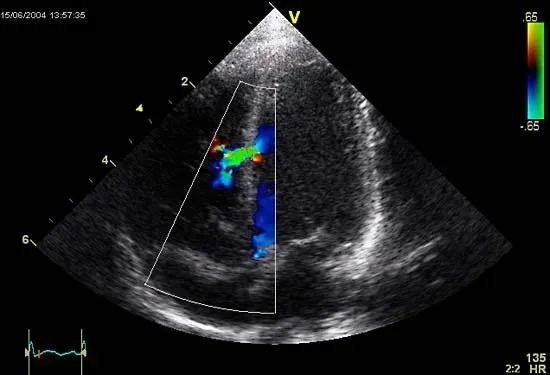
Echocardiography (2D Echo) is an ultrasound of the heart. It shows how well the heart pumps (ejection fraction), the condition of the valves, the size of the chambers and fluid around the heart.
Tests offered
- 2D Echo with colour Doppler
- Stress echocardiography — to look for reduced blood supply to the heart muscle
- Paediatric echo on referral
Why it is done
Breathlessness, chest pain, palpitations, heart murmur, high blood pressure, before surgery, and follow-up after heart attack or valve disease.
Preparation
No preparation is needed for a resting echo. For stress echo, wear comfortable clothes and shoes and follow your doctor’s advice about heart medicines.
Frequently asked questions about Echo & Stress Echo
Is a 2D echo painful?
No. A probe with gel is moved over the chest. It takes 15–30 minutes and uses no radiation.
What is the difference between echo and ECG?
ECG records the electrical activity of the heart; echo shows its structure and pumping function.
Page reviewed by the radiology team at Kansal Diagnostic Centre · Updated October 2026