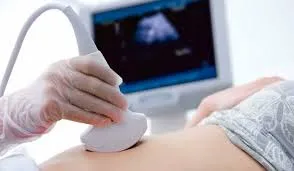
Ultrasound (sonography / USG) uses sound waves to see organs in real time. It is safe, painless, radiation-free and suitable for all ages, including pregnancy.
Ultrasound examinations
- Whole abdomen, upper abdomen, KUB, pelvis (TAS / TVS)
- Obstetric scans — early pregnancy, NT scan, level II anomaly scan, growth scans
- Thyroid and neck, salivary glands
- Breast ultrasound
- Scrotum and testes
- Musculoskeletal ultrasound — shoulder, tendons, muscle tears
- Soft-tissue swellings, lumps and hernias
- Ultrasound-guided FNAC / biopsy and aspiration on referral
Preparation
- Abdomen: 6 hours fasting is usually advised.
- Pelvis / KUB / early pregnancy: come with a full bladder (drink 4–5 glasses of water an hour before).
- Bring previous scan reports, especially for pregnancy follow-up.
Note: In accordance with the PC-PNDT Act, determination or disclosure of the sex of the foetus is strictly prohibited and is not done at this centre.
Frequently asked questions about Ultrasound (USG)
Is ultrasound safe in pregnancy?
Yes. Ultrasound uses sound waves, not radiation, and is the standard method for monitoring pregnancy.
Why do I need a full bladder for a pelvic ultrasound?
A full bladder pushes the bowel out of the way and acts as a window, giving clearer pictures of the uterus, ovaries, prostate and bladder.
Is sex determination done?
No. Sex determination of the foetus is illegal under the PC-PNDT Act and is not done.
Page reviewed by the radiology team at Kansal Diagnostic Centre · Updated October 2026