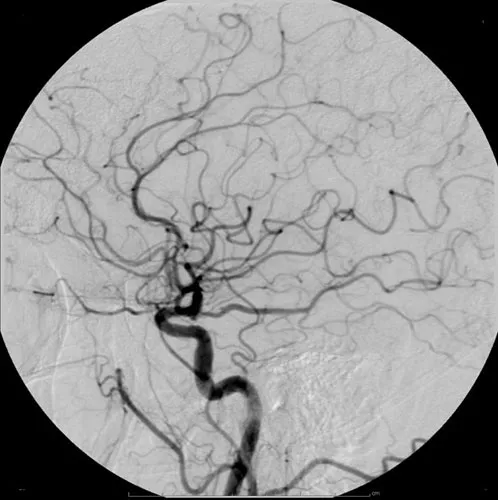
DSA (Digital Subtraction Angiography) is the most precise way to image blood vessels. A thin catheter is passed into an artery — usually from the groin or wrist — under local anaesthesia, contrast is injected and the bones are digitally “subtracted” so only the vessels are seen.
Uses
- Cerebral angiography — aneurysms, AVM, stroke work-up
- Peripheral angiography — leg artery blockages, gangrene, non-healing ulcers
- Renal and visceral angiography
- Planning and performing interventions such as angioplasty and embolisation
Preparation
- Fasting for 6 hours; kidney function and coagulation (PT/INR) tests.
- Inform us about blood thinners, diabetes medicines and allergies.
- Come with an attendant; you will need to rest for a few hours after the procedure.
Frequently asked questions about DSA Angiography
Is DSA painful?
It is done under local anaesthesia. You may feel a warm sensation when contrast is injected, but it is not painful.
Will I need to stay overnight?
Most diagnostic DSA studies are day-care procedures; you rest for a few hours and go home the same day.
Page reviewed by the radiology team at Kansal Diagnostic Centre · Updated October 2026