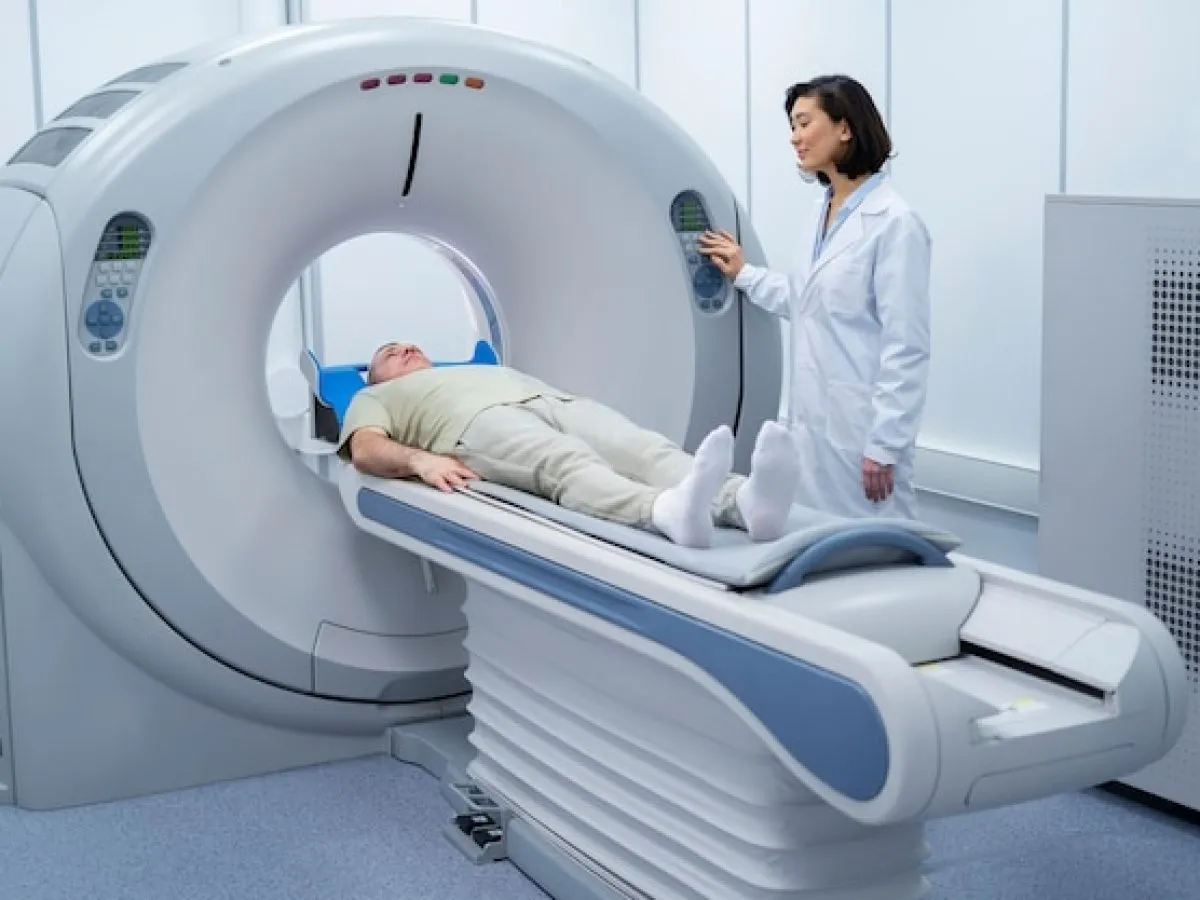
Non-vascular interventional radiology uses ultrasound or CT to guide a fine needle or catheter precisely to the problem — so a tissue diagnosis or drainage can be done through a tiny puncture, usually under local anaesthesia, instead of surgery. Procedures are performed by Dr Tanishq Kansal, MD Radiodiagnosis, who has performed over 1,000 such procedures.
Procedures
- Biopsy: ultrasound / CT-guided core biopsy of liver, kidney, lung, lymph nodes, thyroid, breast, soft-tissue and bone lesions
- FNAC: thyroid nodules, lymph nodes, breast and other lumps
- Aspiration: pleural and peritoneal fluid (therapeutic and diagnostic), cysts, abscesses, joint effusions
- Drainage: pigtail catheter drainage of abscesses and collections
- Other image-guided procedures on referral — please call to discuss
Why image guidance?
- Real-time view of the needle — accurate sampling, fewer repeat procedures
- Avoids blood vessels and vital structures
- Tiny puncture, no stitches, local anaesthesia
- Most procedures are day-care — go home the same day
Preparation
- Bring your scans, reports and the referring doctor’s note.
- Blood tests such as PT/INR and platelet count are usually needed.
- Tell us if you take blood thinners (aspirin, clopidogrel, warfarin or newer anticoagulants) — they may need to be paused on your doctor’s advice.
- Fasting of 4–6 hours is advised for most biopsies and drainages.
- Come with an attendant.
Frequently asked questions about Image-Guided Interventions
Is a guided biopsy painful?
The area is numbed with local anaesthesia, so most people feel only pressure. Mild soreness afterwards is common and settles in a day or two.
How long does the procedure take?
Most biopsies and aspirations take 15–45 minutes, followed by a short observation period before you go home.
When will I get the biopsy result?
Samples go to the pathology lab; results usually take a few days depending on the tests needed.
Page reviewed by the radiology team at Kansal Diagnostic Centre · Updated October 2026